
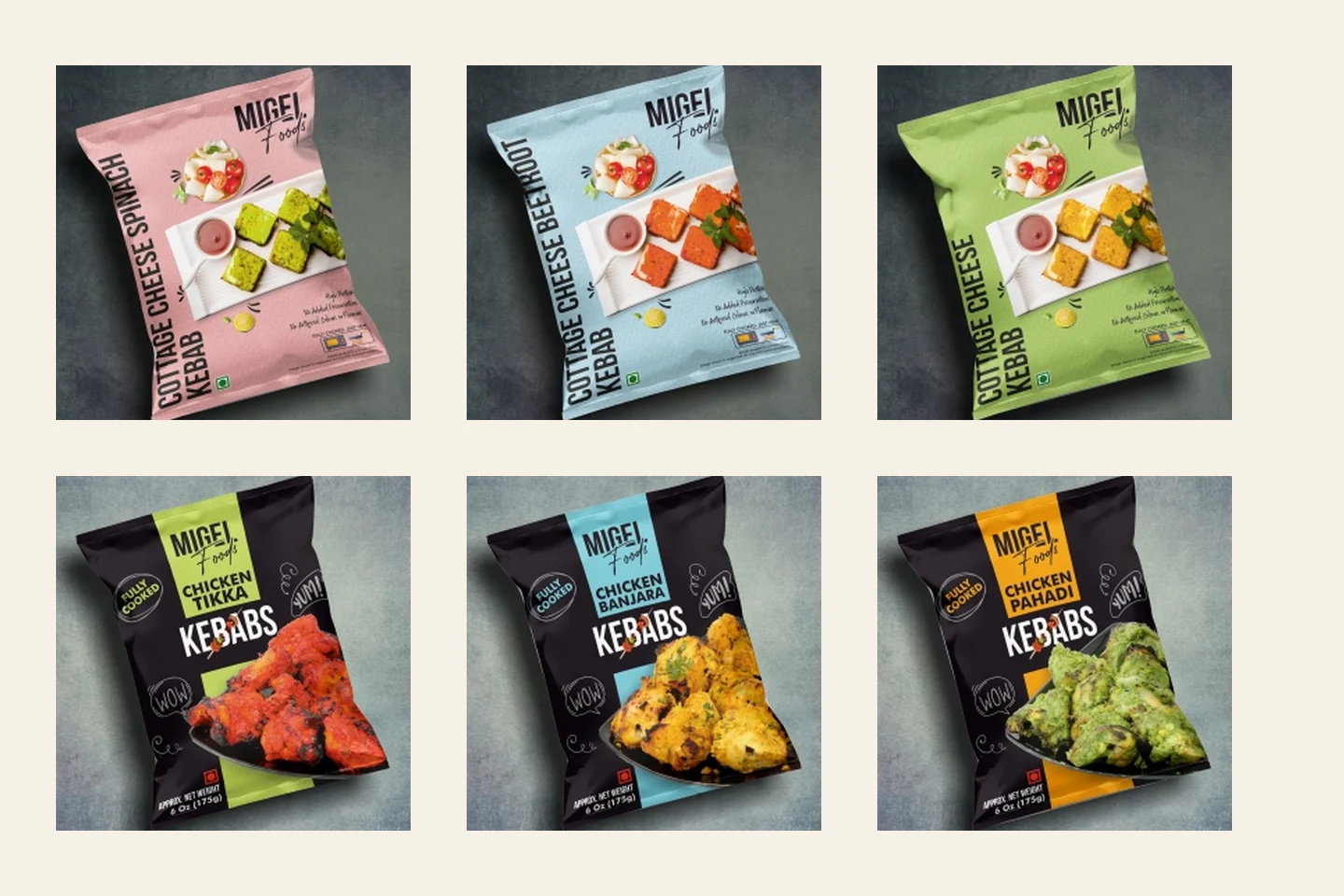
There is no automatic winner
“Vegetarian”, “chicken”, “cottage cheese” and “high protein” are not complete nutrition conclusions. Two products in the same category can differ substantially in protein, sodium, fat, coating, portion size and allergens. Compare the nutrition panel on an equal basis—normally per 100 g as well as the realistic serving you will eat—and read the ingredient list rather than relying on the front name.
First decision: dietary boundary
A vegetarian mark addresses one boundary but does not mean vegan or dairy-free. Cottage cheese implies milk, and recipes may contain cereals, nuts, soy or other allergens. Chicken products may also contain milk, gluten or soy depending on binders and marinades. People managing allergies need the current pack and the manufacturer’s cross-contact statement; a website category filter is not enough.
Worked comparison method
Place two current packs side by side. Write down serving weight, energy, protein, total fat, saturated fat, carbohydrate, sugars and sodium for the same weight. Then calculate what your actual number of pieces represents. Check whether one serving is unrealistically small. Finally compare cooking oil: deep-frying can change the meal differently from an air-fryer or pan method. This method produces a defensible personal choice without pretending every vegetarian or chicken kebab has the same profile.
Ingredients and satiety
Chicken and cottage cheese can both contribute protein, while vegetables and pulses can add fibre and variety. The amount is recipe-specific. A colourful beetroot kebab is not automatically low in sodium; a chicken kebab is not automatically lean. Look at the order of ingredients, declared nutrition and your whole meal—including bread, dip and portion—before using a health label.
Cooking and handling differences
Potentially raw poultry requires strict separation and thorough cooking. Some commercial kebabs may be fully cooked and only require reheating, while others require complete cooking; the pack decides. Vegetarian products still need correct storage and handling and may carry dairy or gluten allergens. Use different utensils when serving dietary groups if cross-contact matters.
Editorial judgement
Choose by the task. For a vegetarian guest, a clearly labelled and separately handled product is the first requirement. For protein planning, compare verified grams per realistic serving. For a party, flavour variety and clear allergen labels may matter more than a single headline nutrient. Migel’s historical catalogue contains both vegetarian and chicken options, but current label data is required before making a product-level recommendation.
Sources and review boundary
For general food-safety principles, this editorial desk prefers competent government and food-safety sources, including the Food Safety and Standards Authority of India and the USDA Food Safety and Inspection Service. A source from another country helps explain general handling but does not override Indian law, a recall, or the directions on a product sold in India. Historical Migel information is treated as archive evidence, not automatic proof of a current formulation.
Editorial judgement
The safest useful answer is often a process rather than a universal number: identify the product, read its label, control the cold chain, calibrate the appliance and stop when evidence is missing. That approach is less catchy than a single timer but more useful across different kebab sizes, recipes and appliances. Report a factual correction with the page URL and supporting source to server@migelfoods.com.
Next: choose a product, visit the cooking hub, or ask about availability.